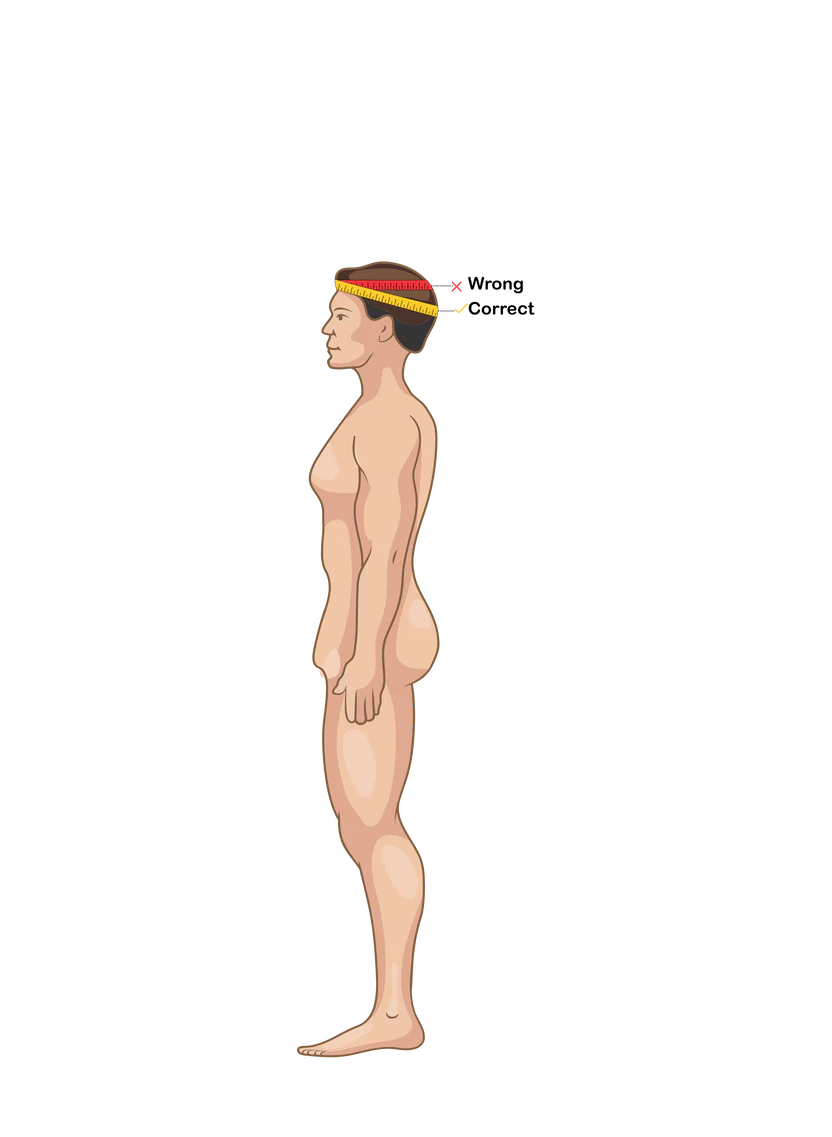
Kilt Outfit Measuring Button

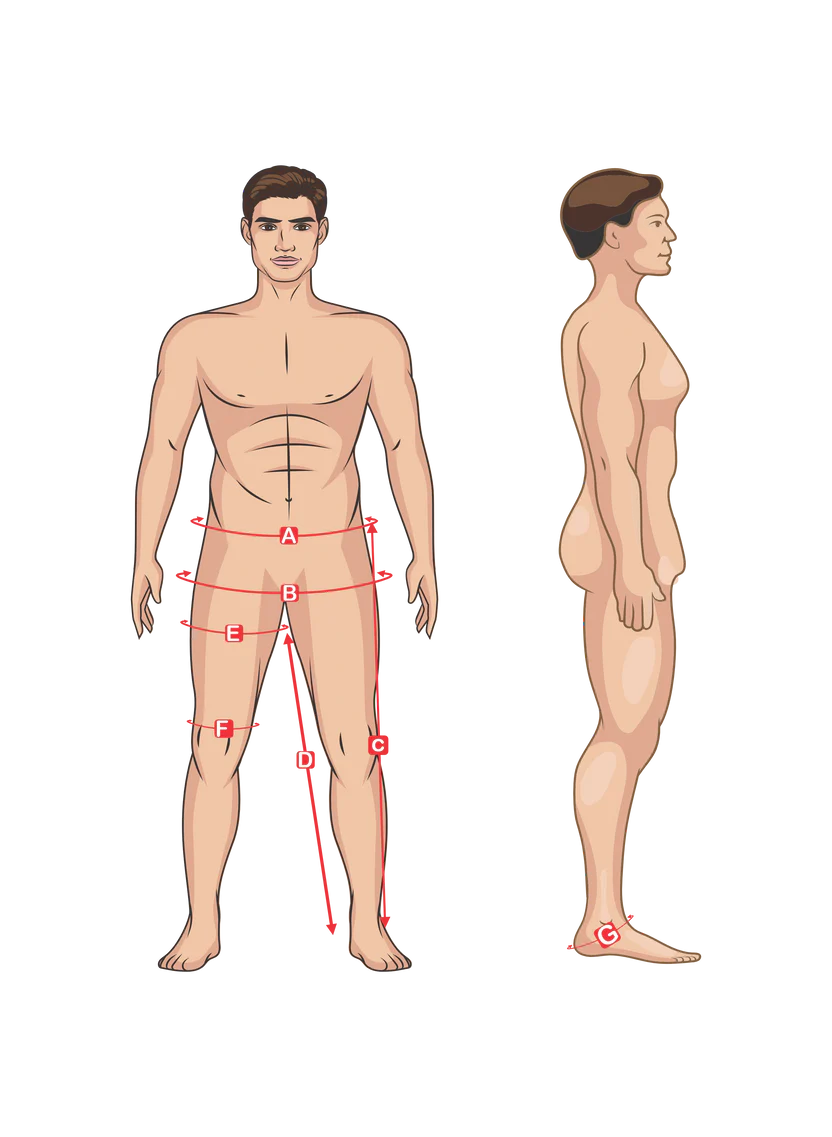
To ensure a perfect fit for your kilt, follow the guide below and take measurements accurately using a flexible measuring tape. Always measure over bare skin or close-fitting clothing for best results.
(A) Waist Measurement
Measure around your natural waist, which is usually just above your belly button. This is where the top of your kilt will sit. Make sure the measuring tape is snug but not tight.
(B) Hip Measurement
Measure the widest part of your hips or seat. Ensure the tape stays level all the way around your body. This measurement helps in shaping the kilt properly over your hips.
(C) Kilt Length
Start at your natural waist (same point as the waist measurement) and measure straight down to the center of your kneecap. This gives you the total length of the kilt.
(D) Fell Measurement
Measure from your natural waist down to the top of your hip bone or the widest part of your hips. This is useful for the structure of pleats and overall fit.
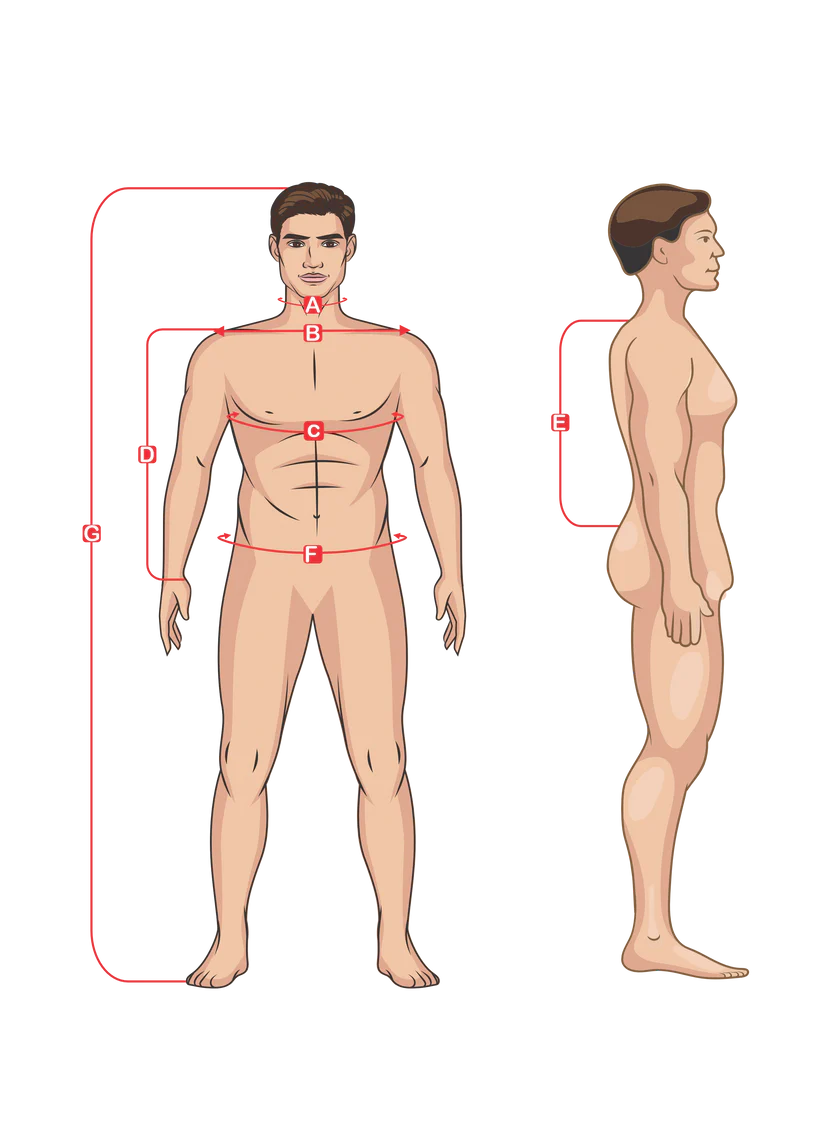
Wrap the measuring tape around the base of your neck where a shirt collar would sit. Make sure it’s snug but not tight.
(B) Shoulder Width
Measure straight across the back from the edge of one shoulder to the other. This defines the jacket’s shoulder span.
(C) Sleeve Length
Start at the edge of your shoulder (where the sleeve begins), run the tape down over a slightly bent elbow, and end at the wrist bone.
(D) Chest Measurement
Measure around the fullest part of your chest, keeping the tape level and under your arms. Make sure your arms are relaxed at your sides.
(E) Waist Measurement
Measure around your natural waist, just above your belly button. Keep the tape firm but comfortable.
(F) Jacket Length
Begin measuring from the top of your shoulder (beside the neck) and run the tape straight down to where you want the jacket to end, usually mid-thigh or just below the hips.
(G) Full Body Length
Measure from the top of your shoulder to the floor while standing straight. This gives a complete length guide for longer jackets or coats.